
Optimising a Job Platform Through Evidence-Led Design
EthicalJobs.com.au
How I used quantitative data, lightweight research, and design ops to drive smarter decisions - even in a tiny team up against big competition.
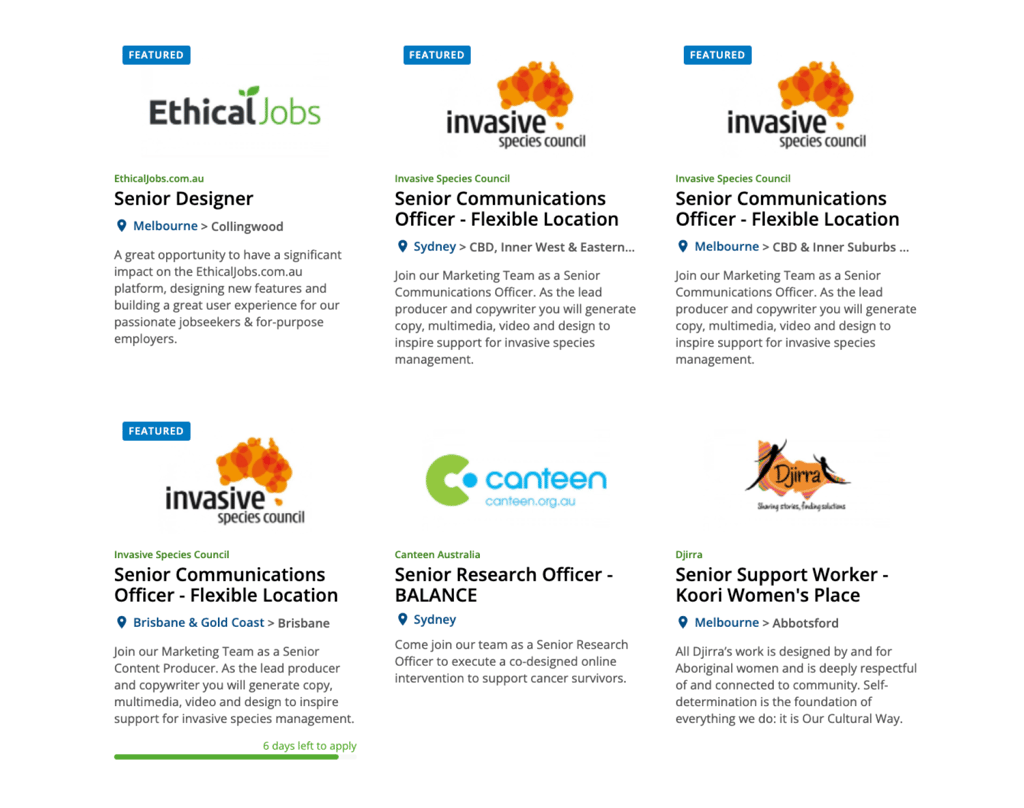
1. Problem
EthicalJobs.com.au was a small but well-positioned player in Australia’s job search market. COVID accelerated a shift toward meaningful, values-aligned work, and traffic surged - but our much larger competitors noticed and began pivoting aggressively into the same space.
We needed to strengthen our job search experience quickly to build on this momentum, differentiate ourselves as the best place to find meaningful work, and meet rising user expectations during this IT surge.
2. Challenges
As Lead Designer in a lean two-person team, I was expected to ship new features, maintain consistency, and support a fast-moving development team. I faced three major constraints:
Dominant competitor pressure: Every idea was compared against “But what are they doing?.”
Design & tech debt: An incomplete design library meant inconsistent UI, both for us and the developers.
Weak process: Loose documentation, no reliable source of truth, and unclear design approvals meant a looming mess of too much happening all at once.
3. Process
I reframed the vague mandate of “can you make job search better” into a structured roadmap driven by evidence.
User research & analytics: With limited resources to interview users, I relied heavily on analytics, identifying drop-off points and friction areas.
Prioritisation through data: I used early research to secure leadership buy-in for the first set of improvements.
A/B testing: I championed A/B tests as a default practice to validate each new idea and guide the next round of work.
Incremental system cleanup: Whenever a feature touched a component, I used the opportunity to retire debt, fix inconsistencies or evolve patterns - without halting development.
Design ops improvement: I rebuilt the way designs were documented, tracked and approved, creating a more reliable flow across design, product and engineering.
4. Solution
Using a mix of interviews and analytics, I created a prioritised list of feature opportunities, which allowed us to ship new features and strengthen the foundation under them.
I partnered with developers to ensure tracking was accurate so we could collect reliable data.
I aligned A/B tests with our Agile sprint cadence, allowing us to learn and improve regularly.
I collaborated with the Product Owner and Scrum Master to carve out bite-size time for design/tech cleanup within each sprint.
I improved the design system and reorganised our Figma structure so everyone from leadership to developers had an up-to-date source of truth.
5. Impact
Overall, our designs were being transformed into new features faster, more accurately and with much better visibility for everyone.
Data-led design decisions: A/B test results and analytics allowed me to justify prioritisation and earn stronger leadership buy-in.
Incremental cleanup culture: Instead of pausing work for large “clean-up projects,” I pushed hard for a sustainable approach of fixing components as we touched them. I knew that this would help the entire product team substantially in the long-term.
Stronger cross-team alignment: Clearer documentation and processes reduced confusion, sped up development and made quality easier to maintain.
6. Reflection
This project taught me the power of breaking ambiguous goals into measurable and iterative improvements. I learned how to balance shipping, cleaning, and learning simultaneously. My biggest takeaways:
Always back up designs with data - lean more heavily on analytics if research bandwidth is tight.
Use every feature opportunity to improve the underlying system
Treat process as a product: consistently push for selective long-term refinements, making them small enough to be palatable.
Push for evidence whenever design discussions become subjective.
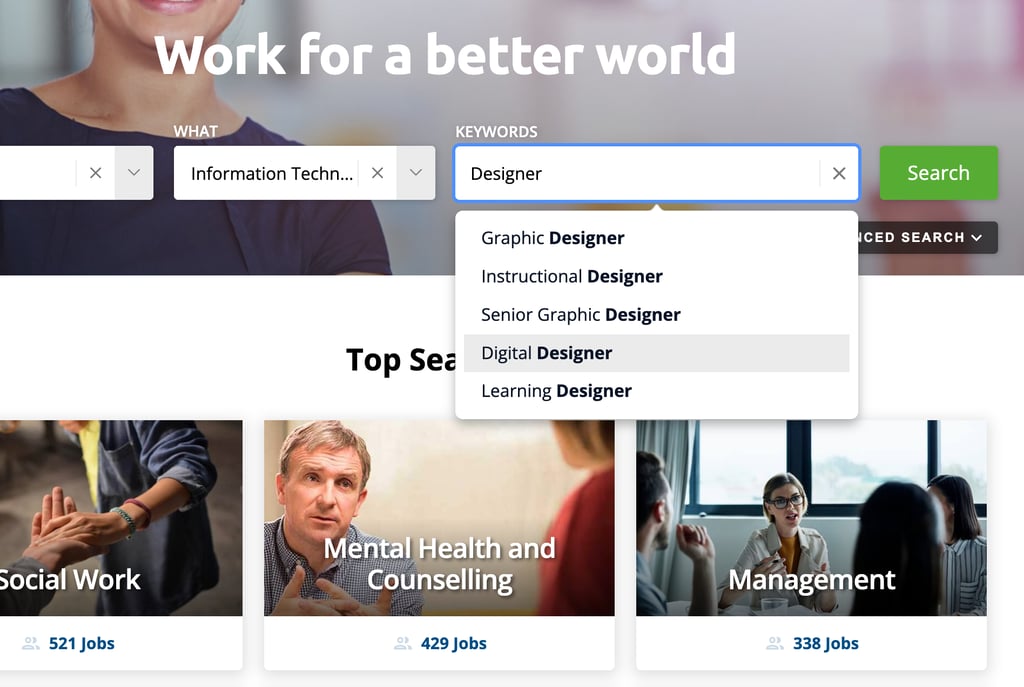
Learnings
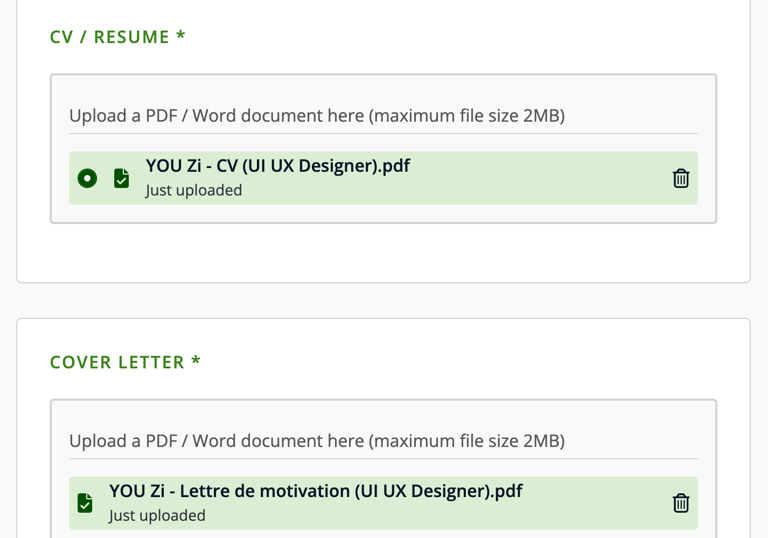
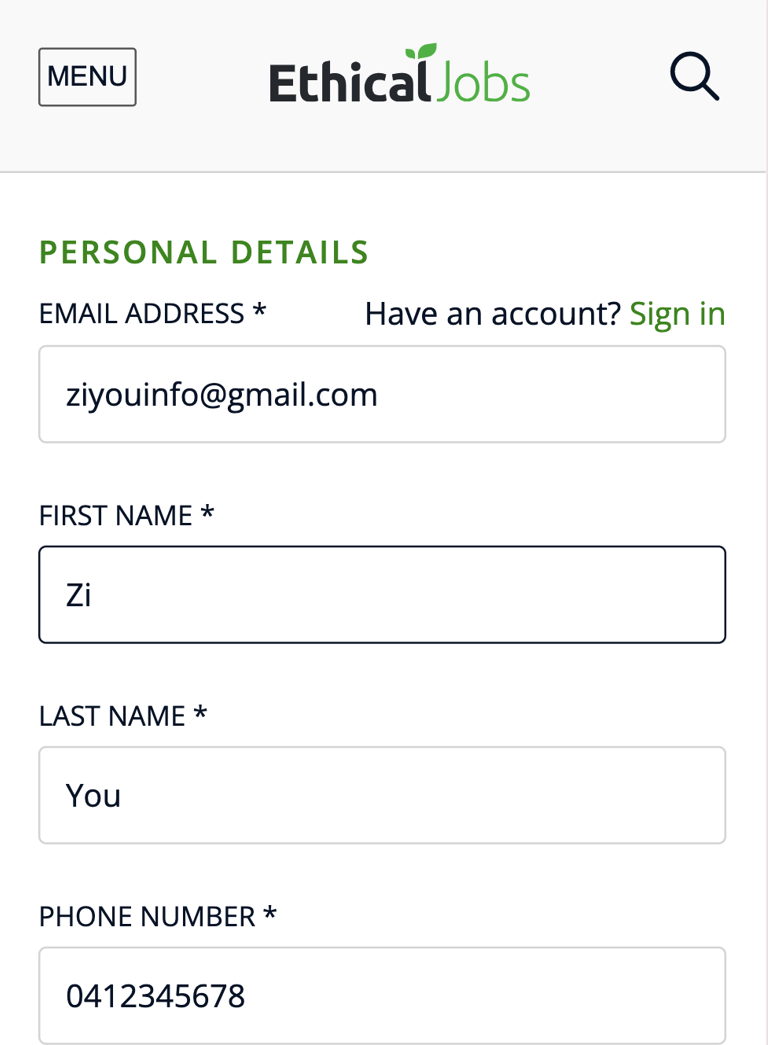
Simple UX improvements like file uploads can be complex to implement - so plan ahead
When a user completes a task on a site, they expect their input or uploaded files to be saved. In reality, this can present significant technical challenges for developers, so anticipating these complexities early is crucial.
The more ambitious the project, the more important it is to streamline the design process
With constantly changing requirements, one of my biggest efforts was structuring processes: tracking mockups, obtaining leadership approvals and clearly communicating designs to developers.
Anticipating stakeholder expectations and preparing the right information upfront prevents scope creep
An effective designer also guides internal stakeholders, such as the leadership team or the Product Owner. Understanding technical constraints and visually illustrating the cost of different options helps steer projects in the right direction and avoid misalignment.
A Figma design system is a powerful and necessary tool, but it takes time and effort
I added new components and redesigned existing ones to fully leverage Figma’s capabilities. Variants alone aren’t enough - carefully organising components in a structured way makes them far more versatile when used in mockups.